


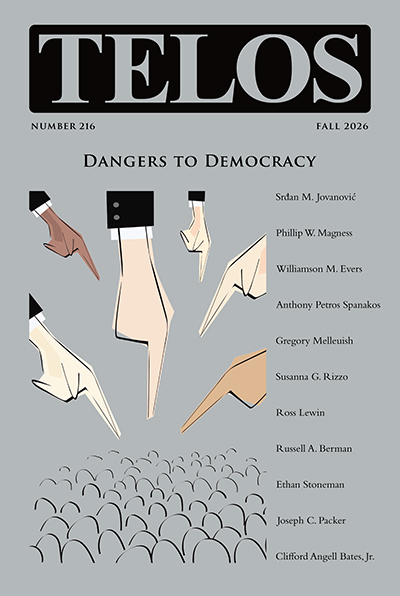
While our investigations of politics have often focused on the issue of political theology, Telos 216 is devoted to the dangers to democracy posed by the declining commitment to open debate, evidence-based reasoning, and pluralism.

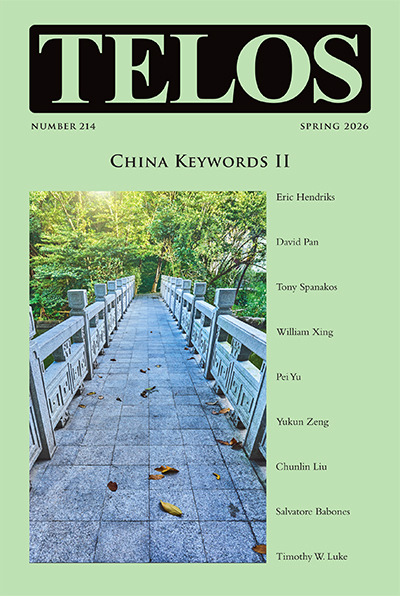
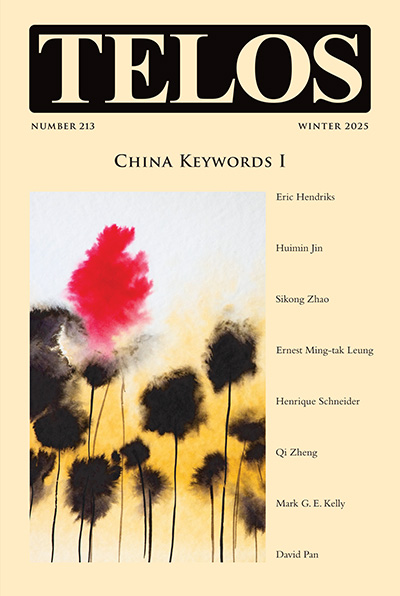

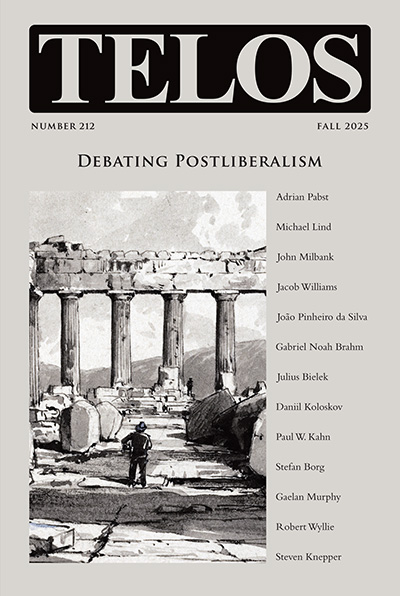
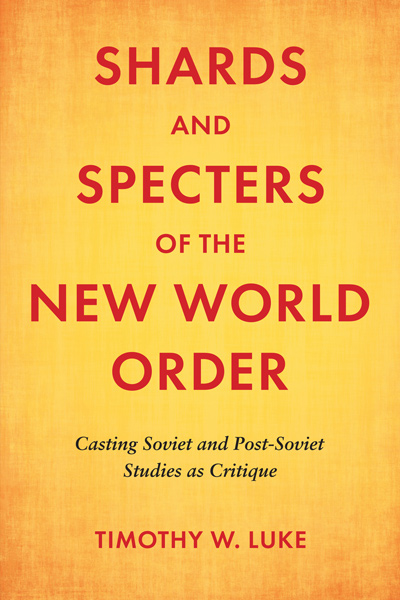
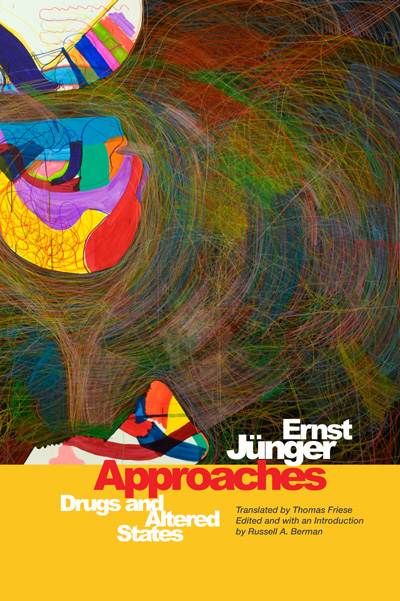




- Coming Soon from Telos Press: Carl Schmitt’s State, Movement, People Available on November 1: State, Movement, People: The Tripartite Structure of Political Unity, by Carl Schmitt. Pre-order your copy today in our online store and save 20% by using the coupon code SCHMITT20. State, Movement, People The Tripartite Structure of Political Unity by Carl Schmitt Translated, Edited, and Introduced by Joseph W. BenderskyWith a Preface by David Pan Written in 1933,… (continue reading)
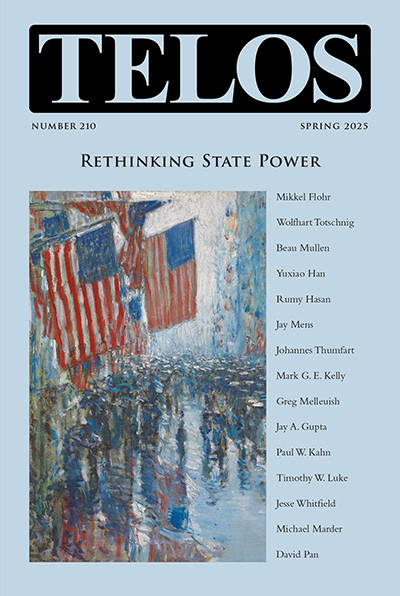
- Telos 216 (Fall 2026): Dangers to Democracy Telos 216 (Fall 2026): Dangers to Democracy is now available for purchase in our store. Individual subscriptions to Telos are also available in both print and online formats. We are still living in the shadow of the eighteenth-century European Enlightenment, when the theological and monarchical justifications for political authority began to lose legitimacy. Individual autonomy, open debate, and evidence-based reasoning were… (continue reading)
- Call for Papers: Telos Special Issue on Wittfogel and Postliberal World Orders Karl Wittfogel’s 1957 magnum opus, Oriental Despotism: A Comparative Study of Total Power, came out at the peak of the Cold War. As a former Marxist, Wittfogel saw analysis of what he called “hydraulic despotism” in premodern Asian bureaucratic empires as of more than merely regional or historical interest. With an eye to Soviet and Maoist developments, he argued that “[t]otal… (continue reading)
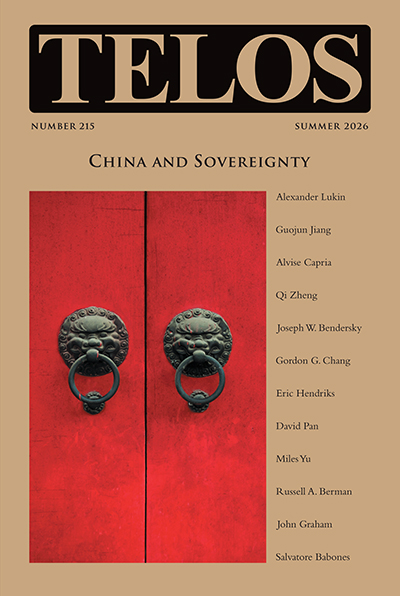
- The Telos Press Podcast: Alvise Capria on Carl Schmitt in Contemporary Chinese Political Thought In today's episode of the Telos Press Podcast, Telos editor David Pan talks with Alvise Capria about his article "Sous l’œil des Chinois: The Reception of Carl Schmitt in Contemporary Chinese Political Thought," from Telos 215 (Summer 2026): China and Sovereignty. An excerpt of the article appears here. In their conversation they discuss the primary reasons that Chinese scholars look to Schmitt… (continue reading)
|
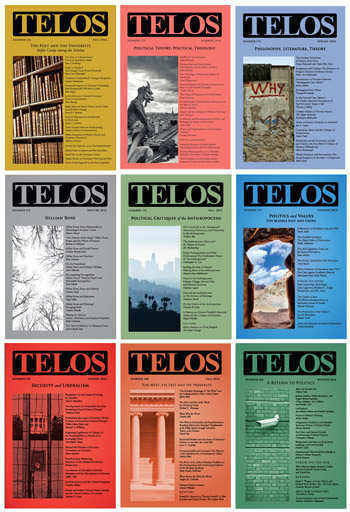
Telos has always celebrated rejuvenation and renewal, and in recent years we’ve embraced that change in a variety of ways. We’ve taken Telos online and digitized our complete archive, allowing institutional subscribers from around the world to access the journal over the Internet. We’ve created a regular conference series in New York City and another more recently in Europe, which have brought together an increasing number of scholars to discuss today’s critical issues in politics and philosophy . . . (continue reading) |
For over fifty years, readers from around the globe have turned to Telos to engage with the sharpest minds in politics and philosophy, and to discover emerging theoretical analyses of the critical issues of the day. Subscribe now and don’t miss a single issue! As a small independent publisher, we rely on both our individual and institutional subscribers. If your university does not subscribe to Telos, please encourage your librarian to begin a subscription. A printable recommendation form is available here. |